Materials used to control sound are not new. For decades, foam panels, fabric boards, dense polymer layers, and wood-based composites have been widely applied to reduce unwanted noise in industrial and architectural environments. Each of these materials operates according to well-established physical principles and remains effective in many contexts.
However, as system requirements evolve, the expectations placed on acoustic materials are changing. Noise control is no longer only about absorbing sound; it increasingly involves managing how acoustic energy interacts with structural systems, confined spaces, and layered assemblies. This shift has given rise to what we now describe as advanced acoustic materials.
How Conventional Acoustic Materials Work
Porous Absorption Materials
Materials such as acoustic foam and fabric boards are typically designed to absorb airborne sound through porous structures. As sound waves enter the material, friction within the pores converts acoustic energy into heat. These materials are particularly effective at reducing mid- to high-frequency noise and are relatively easy to apply.
Advantages
- Simple and widely available
- Effective for mid- to high-frequency sound
- Easy to install in architectural environments
Limitations
- Performance depends heavily on thickness
- Requires large surface coverage
- Limited structural integration capability
Mass-Based and Damping Layers
Other traditional solutions rely on mass and density to reduce sound transmission. Dense boards, polymer sheets, or layered wood composites improve transmission loss by increasing the barrier between sound sources and surrounding environments. Some materials also provide passive damping through internal material friction.
Advantages
- Improves transmission loss
- Effective in reducing general sound levels
- Suitable for barrier applications
Limitations
- Requires increased material depth
- Adds bulk and spatial constraints
- Performance improves primarily through added density
Where Performance Expectations Have Changed
Modern industrial systems are increasingly integrated and performance-driven. Acoustic requirements are often defined by specific structural interactions, spatial constraints, and targeted performance criteria rather than general noise reduction alone.
In such environments, adding more material is not always the most practical solution. Acoustic performance must coexist with structural design, component alignment, and system architecture. This has shifted the focus from simply absorbing sound to deliberately controlling how vibrational energy propagates and dissipates within a system.
What Defines an Advanced Acoustic Material?
Advanced acoustic materials differ not only in composition, but in how they are engineered to manage acoustic energy. Rather than relying primarily on thickness or mass, they use intentionally designed internal architectures to influence how vibrational energy propagates and dissipates.
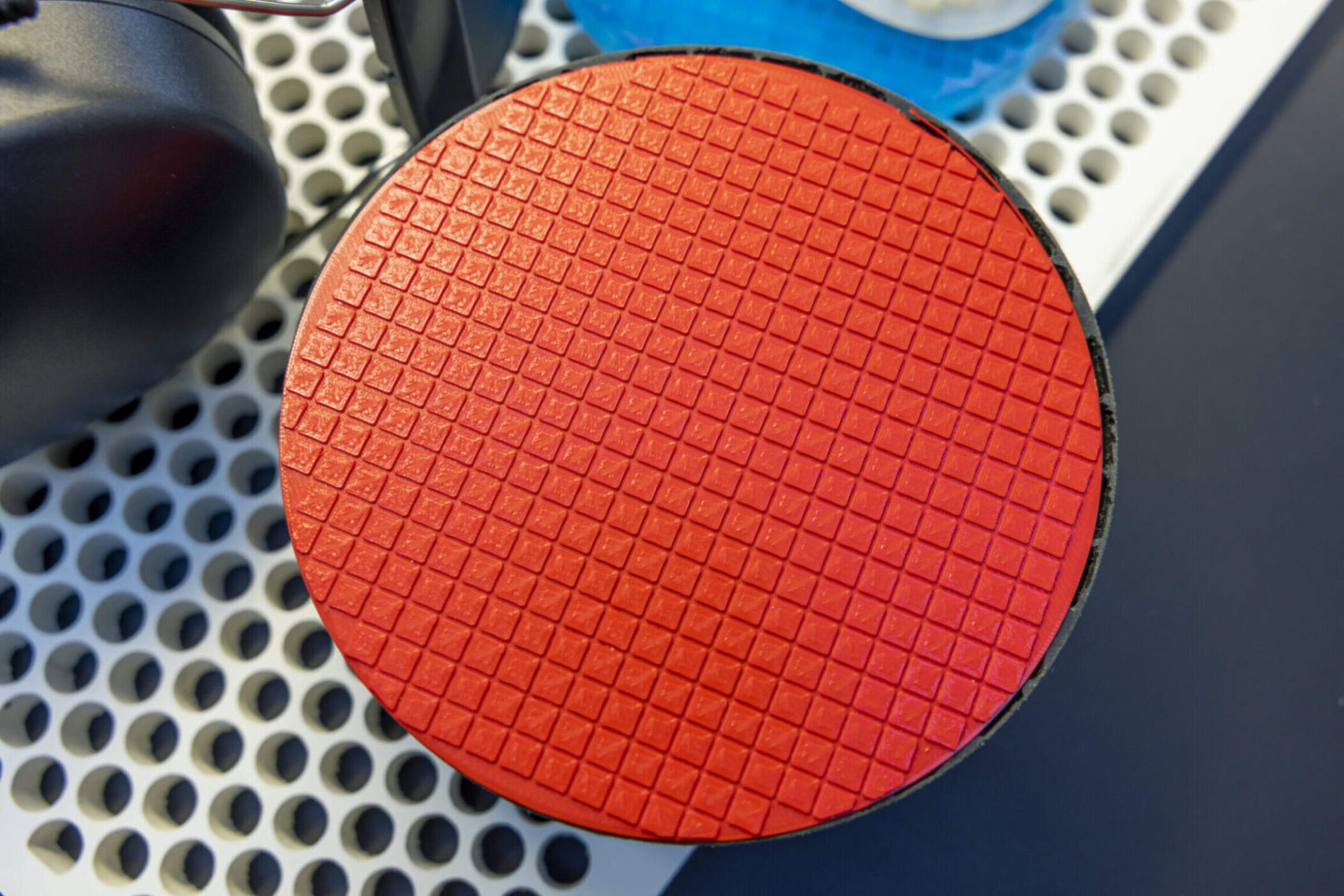
SoundBounce, developed by Lios, exemplifies this engineered approach by incorporating a composite cellular structure and advanced material core designed to optimise vibrational energy control within a reduced profile.
Engineered Material Architecture
Composite configurations, cellular geometries, and structured internal systems enable advanced materials to interact with sound waves and vibrational energy in a more controlled manner. Research into architected acoustic materials demonstrates how performance can be shaped through geometry rather than mass alone.
Performance as a Designed Outcome
In advanced materials, acoustic behaviour is not an incidental property, it is engineered. This allows more precise management of vibration, improved integration within structural systems, and performance tailored to specific application needs. The emphasis shifts from passive absorption toward deliberate performance engineering.
Advanced Acoustic Materials in Practice: SoundBounce Technology
SoundBounce demonstrates how advanced acoustic materials can move beyond passive absorption strategies. Instead of depending on bulk material depth, SoundBounce integrates a composite cellular architecture and advanced material core engineered to dissipate vibrational energy efficiently within a reduced profile.

This engineered structure enables acoustic functionality to be embedded within system design rather than added as a secondary treatment layer. Performance is achieved through controlled material behaviour, not simply increased thickness. By moving beyond passive absorption strategies, advanced acoustic materials represent a more integrated and intentional approach to sound control in modern systems.